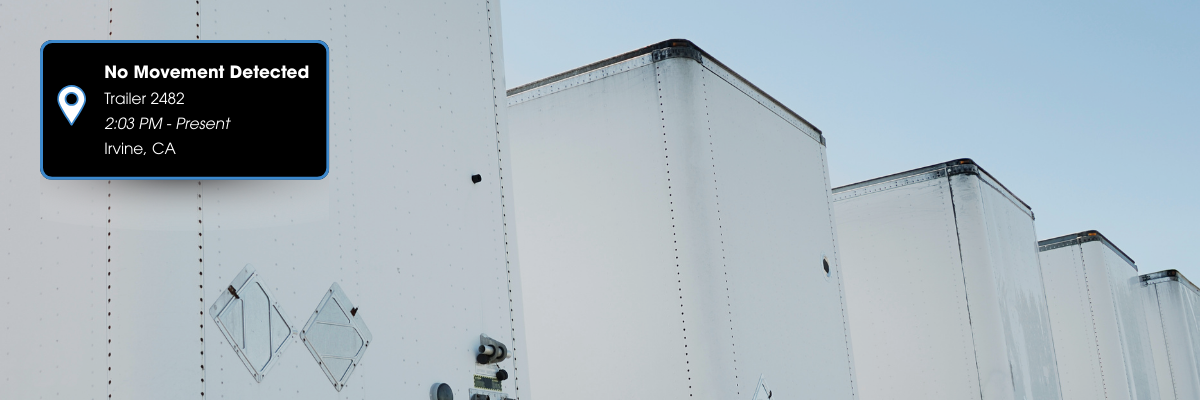
Driver detention gets the headlines, but for larger carriers, trailer detention is often the more expensive blind spot. It’s the cost of sending a driver to pick up a “ready” load that hasn’t even started moving. It’s losing a driver for hours because no empties are available on site. It’s being unable to bill detention time accurately because you don’t actually know how long your trailer was in a door.
With real-time trailer visibility from Phillips Connect, those headaches go away.
Before dispatching a truck, operations teams can now check whether the trailer is loaded, staged, or still in a dock. They can see if the doors are open or closed. That simple level of insight turns guesswork into informed planning. If a load isn’t ready, they can redirect that driver and avoid turning a hook into a live load.
On the back end, drop-and-hook visibility prevents drivers from getting stranded without a return trailer. If all empties are in use, dispatch knows before the driver even arrives. That gives the carrier leverage. Instead of deadheading away, they can notify the shipper they won’t pick up until an empty is available, which is a smart use of capacity in a tight market.
Just as importantly, trailer visibility delivers the kind of data carriers can bill against. Instead of relying on manual input or vague time stamps, you can track exactly how long each trailer sat idle, whether it was unloaded on time, and when it became available again. That means fewer disputes and more accurate detention charges, and directly improving revenue per trailer.
In today’s freight market, knowing what’s happening inside the trailer and across the yard isn’t a nice-to-have. It’s a competitive advantage.

Safeguard Your Trailer Loads with Phillips Connect SmartLock™ Gladhands
Phillips Connect features SmartLock™ Gladhands,...
Read More

TechAssist: Raising the Bar for Smart Trailer Installations and Maintenance
Phillips Connect’s TechAssist app helps OEMs and fleets streamline smart trailer installs, diagnose issues, and maximize uptime.
Read More
The Missing Half of Autonomy: Why the Future Depends on Smart, Connected Trailers
Autonomy can’t stop at the tractor. Discover how smart, connected trailers from Phillips Connect complete the missing half of autonomy, delivering the visibility, intelligence, and data fleets need for true autonomous operations.
Read More
The 1%: Understanding Trailer Utilization
It’s safe to say that ROI is a crucial factor in any educated business decision - especially in transportation. Fleets want to know that their investments are worth the financial commitment. But what they don’t know is that the “seemingly smart” investment of a new trailer might in fact cost them money.
Read More
The International Roadcheck is a high-visibility, high-volume 72-hour inspection and enforcement event that takes place this week, May 16-18. CVSA-certified inspectors in Canada, Mexico, and the U.S. will conduct inspections of commercial motor vehicles and drivers at weigh/inspection stations, designated inspection areas, and along roadways
Read More
Free Today, Regret Tomorrow: The Risk Behind No-Cost Installs
Free hardware installs may sound good until they cost you in downtime and unreliable data. Learn why fleets choose OEM-compliant installs.
Read More